


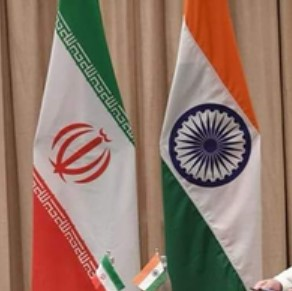
Washington, March 8: Iranian opposition figures have proposed reviving cooperation with India on the Chabahar Port project and restoring crude oil exports to New Delhi as part of a broader plan to rebuild Iran’s economy and global partnerships after the fall of the Islamic Republic.
The proposal is outlined in the Emergency Phase Booklet of the Iran Prosperity Project, a 178-page blueprint prepared by opposition leaders and policy experts. The document lays out steps a transitional government could take during the first six months after a regime collapse to stabilise the country’s economy, restore diplomatic relations, and reopen trade channels.
India features prominently in the plan as a key economic and strategic partner in Iran’s future foreign policy. The blueprint proposes resuming joint development of the Chabahar Port on Iran’s southeastern coast, positioning it as a major commercial hub linking the Persian Gulf and the Indian Ocean with Central Asia.
For India, Chabahar has long been viewed as a crucial gateway to Afghanistan and Central Asia that bypasses Pakistan. New Delhi has already invested more than $120 million in developing the Shahid Beheshti terminal at the port, though progress has slowed due to international sanctions and regional geopolitical tensions.
The document also calls for restoring long-term crude oil exports to India, which was once among Iran’s largest energy buyers before US sanctions significantly reduced trade.
Beyond India, the blueprint outlines plans to recalibrate Iran’s relations with major global powers, including China and Russia, while reviewing existing strategic agreements to ensure transparency and mutual benefit.
The transition initiative is led by exiled Crown Prince Reza Pahlavi, son of Iran’s last monarch. Working with technocrats, academics, and members of the Iranian diaspora, he has sought to develop a roadmap for restoring state institutions, stabilising the economy, and preparing the country for democratic elections.
The plan argues that Iran’s strategic location between the Persian Gulf, the Indian Ocean, and Central Asia could transform it into a major regional trade hub once sanctions are lifted and international relations normalised.