



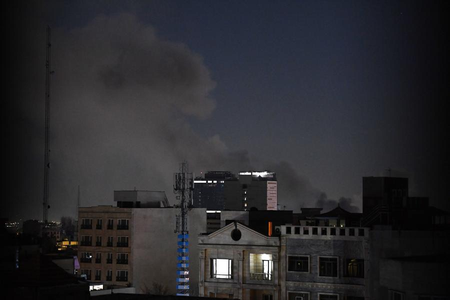
Washington, Mar 16: Senior officials in the administration of Donald Trump have indicated that the ongoing war with Iran could conclude within the next few weeks, even as fighting continues across the Middle East and disruptions in the strategic Strait of Hormuz push global oil prices higher.
The conflict has now entered its third week, with global energy markets facing mounting pressure as tanker traffic through the Strait of Hormuz — one of the world’s most vital oil shipping routes — has slowed significantly due to security threats and attacks in the region.
Speaking on ABC’s “This Week,” US Energy Secretary Chris Wright said the administration believes the military campaign is progressing faster than anticipated, though he acknowledged that outcomes in war are never guaranteed.
“Hey, there’s no guarantees in wars at all,” Wright said in an interview with ABC News anchor Martha Raddatz.
Despite the uncertainty, Wright expressed optimism that the conflict could conclude soon. “I think that this conflict will certainly come to an end in the next few weeks, could — could be sooner than that,” he added.
White House economic adviser Kevin Hassett echoed a similar view, suggesting the military operation was advancing ahead of schedule. In an interview on CBS’s “Face the Nation,” Hassett said the initial assessment had estimated a four- to six-week timeline for the mission.
“The Department of War believed that it would take four to six weeks to complete this mission and that we’re ahead of schedule,” Hassett said.
The conflict has significantly impacted global energy supply chains. Shipping activity through the Strait of Hormuz, a critical corridor for a large share of the world’s oil exports, has slowed sharply amid heightened security risks.
US officials said Washington is working with international allies to secure the waterway and ensure safe passage for commercial shipping vessels.
Wright acknowledged that disruptions were inevitable but stressed that they were expected to be temporary.
“Yes, we’re going to have disruption, and we do have disruption,” he said.
Meanwhile, Iran has strongly rejected suggestions that it is seeking a ceasefire. In a separate interview on CBS’s “Face the Nation,” Iranian Foreign Minister Abbas Araghchi said Tehran had not requested negotiations with Washington.

“No, we never asked for a cease-fire, and we have never asked even for negotiation,” Araghchi said in an interview with CBS moderator Margaret Brennan.
He maintained that Iran would continue its military response, describing the conflict as aggression initiated by the United States.
“This is a war of choice by President Trump and the United States, and we are going to continue our self-defense,” Araghchi said, adding that Iran remains stable and capable of sustaining the conflict if necessary.