





Agartala: During the turbulent period surrounding India’s Independence and Partition in 1947, Tripura witnessed intense political uncertainty regarding its future status. According to historical accounts cited by some researchers and political activists, an armed resistance group known as the Kirit Bikram Rakshi Bahini was formed to oppose alleged efforts by pro-Pakistan elements seeking to influence Tripura’s political future.
At the time, Tripura was a princely state and had not yet formally merged with India. Supporters of the Rakshi Bahini claim that certain organizations and individuals were advocating for Tripura’s alignment with Pakistan, prompting nationalist forces to organize resistance.
The Kirit Bikram Rakshi Bahini is said to have been established with the support of members of both the Indian National Congress and the Communist Party, who united with the objective of safeguarding Tripura’s interests and preventing any move that could separate the state from India.
Historical narratives surrounding this period remain a subject of debate among scholars, and several claims regarding individuals allegedly involved in political conspiracies have not been universally accepted or independently verified. However, the formation of resistance movements reflects the tense atmosphere that existed in the region during the Partition era.
Tripura eventually acceded to India in 1949 under the regency of Maharani Kanchan Prava Devi, becoming an integral part of the Indian Union.
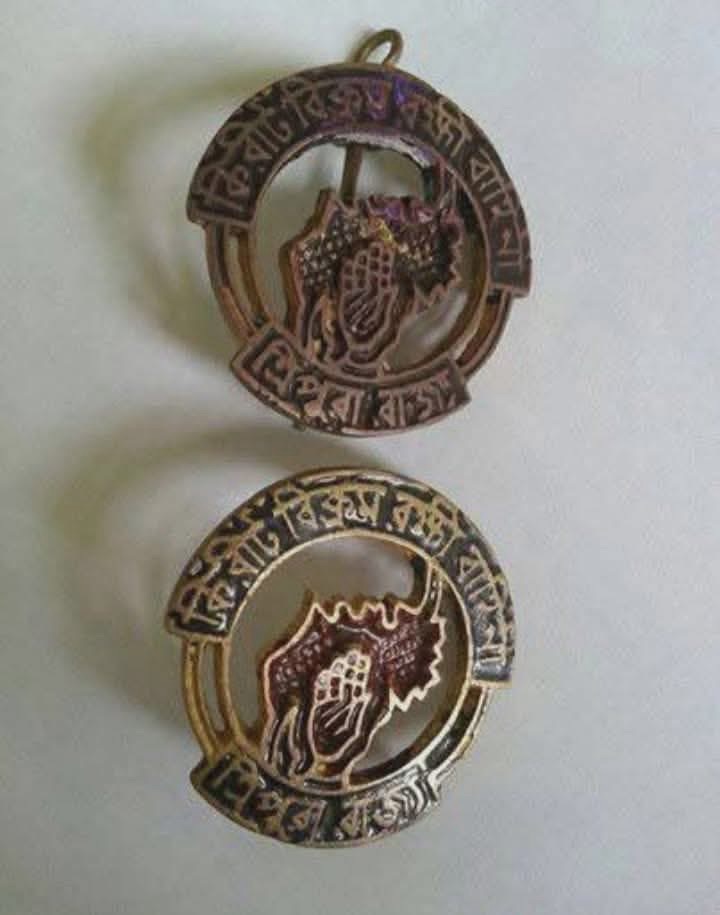
The logo associated with the Kirit Bikram Rakshi Bahini continues to be remembered by some as a symbol of resistance during one of the most critical periods in Tripura’s history.