




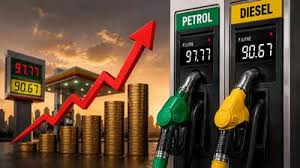
New Delhi, 23 May 2026:Consumers are once again feeling the impact of rising fuel costs as state-run oil retailers increased petrol and diesel prices on Saturday, marking the third hike this month. The latest revision comes amid a sharp rise in international crude oil prices driven by escalating tensions and continued conflict in West Asia, raising concerns over the possibility of further increases in the coming weeks.
In Agartala, petrol prices have gone up by Rs 0.87 per litre, taking the retail price to Rs 99.51 per litre, while diesel prices increased by Rs 0.91 per litre to reach Rs 92.49 per litre, according to local fuel dealers. The latest increase follows a significant hike of around Rs 3 per litre earlier this month, which was later followed by another increase of nearly 90 paise per litre.
For a long period, fuel prices in India had largely remained stable. Since April 2022, daily revisions had effectively been frozen, with only a one-time reduction announced in March 2024. The freeze was introduced by state-owned oil marketing companies to shield consumers from sharp fluctuations in global crude prices following geopolitical disruptions caused by Russia’s invasion of Ukraine.
However, the recent surge in international crude oil prices has placed fresh pressure on domestic fuel pricing. India’s crude oil basket, which was valued at nearly 69 dollars per barrel in February, has reportedly climbed to around 113–114 dollars per barrel. The sharp rise has significantly increased import costs and affected pricing decisions by fuel retailers.
India remains heavily dependent on imported crude oil, sourcing nearly 90 percent of its requirements from international markets. As a result, domestic fuel prices continue to remain vulnerable to global developments and geopolitical uncertainties.
The latest price increase has triggered concerns among consumers, particularly middle-income households already dealing with rising living expenses. Many citizens have expressed worry over the impact of repeated fuel hikes on transportation costs and household budgets.
Market analysts have warned that continued instability around key global oil transit routes, including the Strait of Hormuz, could sustain upward pressure on prices. If supply disruptions persist, additional increases in fuel rates may not be ruled out.