




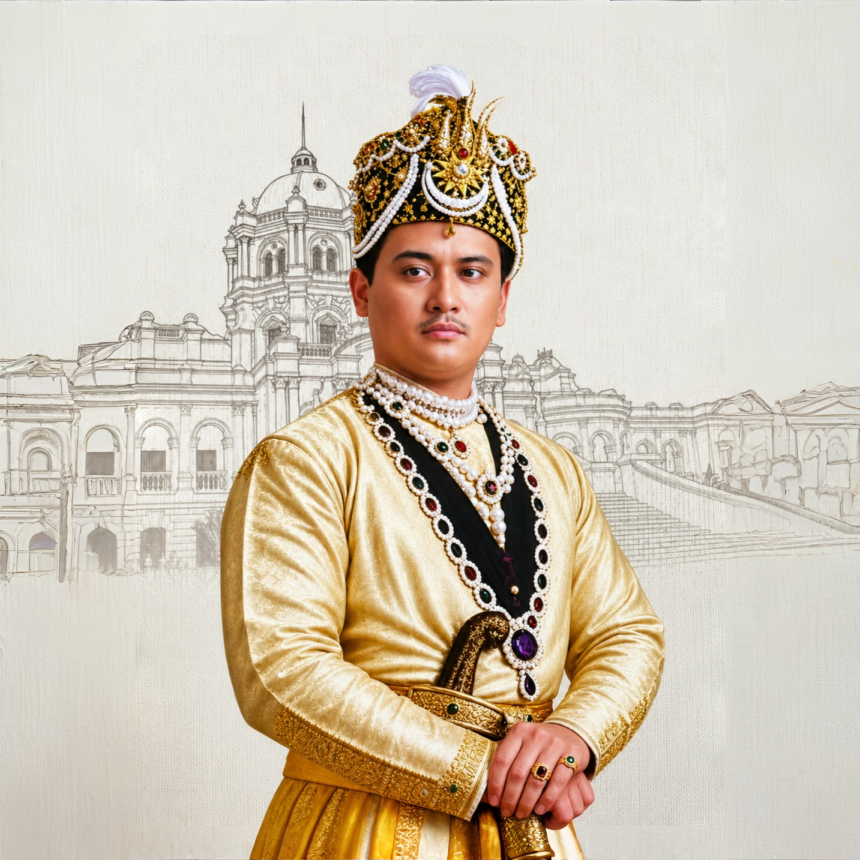
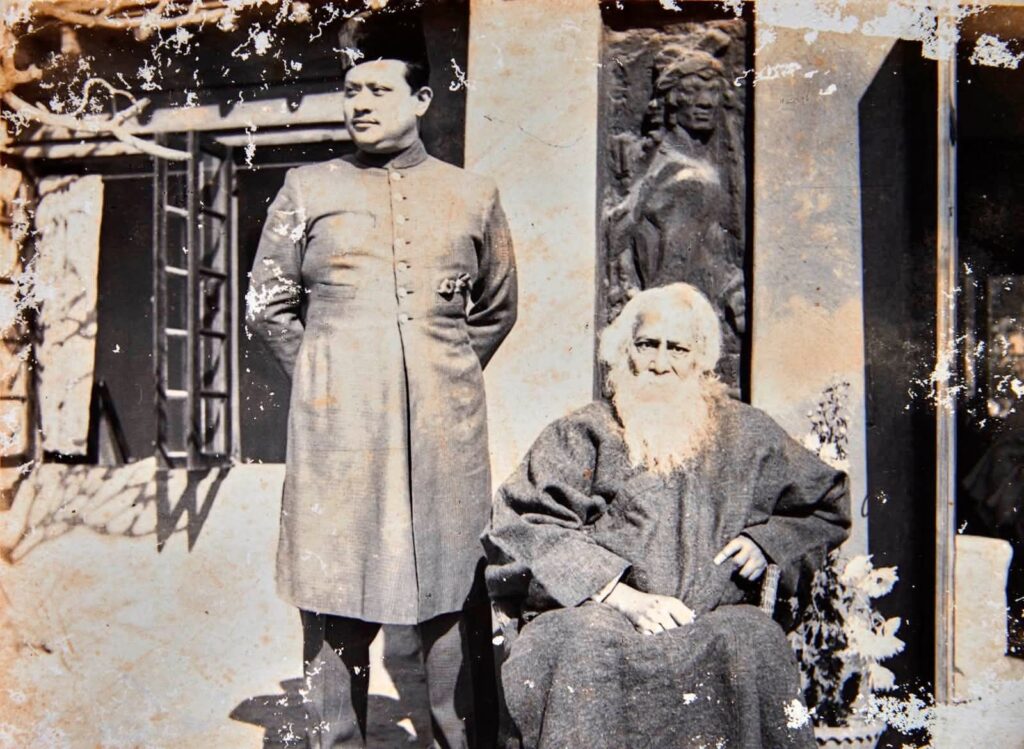
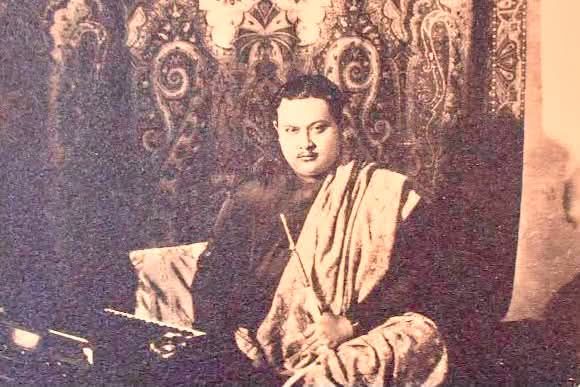
Maharaja Bir Bikram Kishore Manikya Bahadur, born on 19 August 1908, is remembered as one of the most visionary rulers in the history of Tripura and as the chief architect of the state’s modern development.
This article was originally written by Jishnu Dev Varma in 2008 on the occasion of Maharaja Bir Bikram’s birth centenary and was published in Tripura Times, with its Bengali version appearing in Dainik Sambad.
Bir Bikram ascended the throne on 19 August 1927, at the age of 20, in the presence of the Governor of Bengal, Mr Jackson. As the last ruler of the Manikya dynasty, he governed Tripura during a period of profound political and social transformation in India.
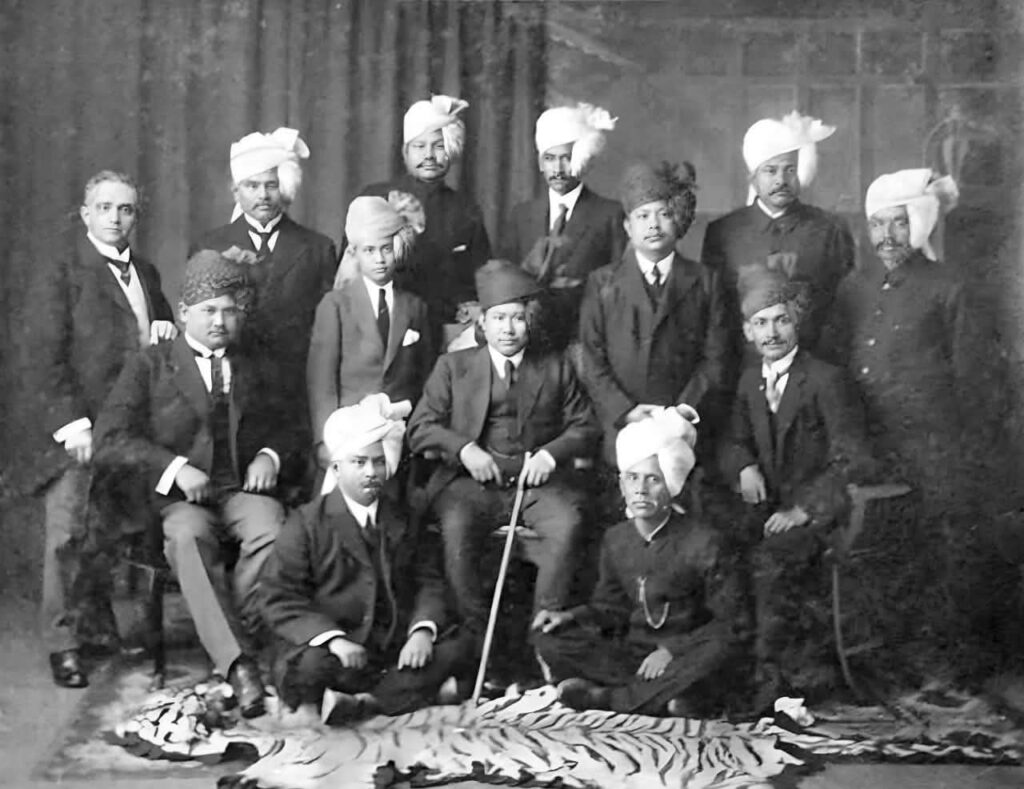
A farsighted administrator, Maharaja Bir Bikram understood that the world was changing rapidly and that Tripura too needed to adapt. With India moving towards independence from British colonial rule, he recognized that the survival of the monarchy would require constitutional governance and greater participation of the people.
In 1941, he introduced Tripura’s first written Constitution. Its objective was to promote civic ideals of self-help, cooperation and devotion to the state. The Constitution also provided representation for minorities, backward communities and labourers an approach that reflected his progressive outlook.
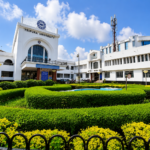
His vision extended beyond governance. Bir Bikram was deeply involved in urban planning and played an important role in shaping Agartala. Kaman Chowmuhani and Maharajganj Bazar were among the developments associated with his vision for a modern capital. He also dreamed of establishing an institution of excellence on the lines of Oxford and Cambridge. The institution known as Vidyapattan was established in Agartala, although he did not live long enough to see the full realization of his educational dream.
The Maharaja also understood the close relationship between Tripura’s indigenous communities and its forests. In 1939, he reserved around 530 square miles of forest for the indigenous hill people. In September 1943, he further reserved around 1,950 square miles of plain land to encourage settled cultivation among them.
His commitment to public welfare became particularly evident during the Bengal famine of 1943. Anticipating the crisis, he ordered sufficient food grains to be stocked in government godowns. A central food godown was established in Agartala, with smaller facilities in the subdivisions. Food grains were distributed at cost price, including to famine-stricken people arriving from then East Bengal.
When officials suggested increasing prices slightly to cover distribution expenses, the Maharaja reportedly responded: “In my hand I hold the Raj Danda and not the measuring scales.” The remark has since come to symbolize his philosophy of placing public welfare above profit.
Although he lived for only 38 years, Maharaja Bir Bikram left behind a remarkable legacy of administration, town planning, education, social welfare and cultural development. His reign coincided with enormous turbulence across India, yet he continued to pursue his vision of building a modern and progressive Tripura.
He was also a patron of the arts and a composer. His musical compositions, particularly those associated with Holi and the spring festival, reflected the youthful energy and cultural spirit of the Maharaja and continue to be remembered.
Rabindranath Tagore’s reflections on Tripura’s royal insignia also capture an important dimension of the state’s historical spirit. The Sanskrit inscription on the emblem conveys the idea that valour is the essence a quality that Tagore interpreted not merely as physical courage, but as courage in scholarship, sacrifice, the enjoyment of life and the pursuit of truth.
Maharaja Bir Bikram’s life was brief, but his vision was far-reaching. His initiatives laid important foundations for the Tripura that emerged in the decades that followed. On his birth anniversary, his contribution is remembered not merely as that of a former monarch, but as that of a visionary leader who sought to prepare Tripura for a changing world.
Maharaja Bir Bikram passed away on 17 May 1947, but his legacy continues to remain deeply embedded in the history and development of modern Tripura.
(By Jishnu Dev Varma, Governor of Maharashtra and former Deputy Chief Minister of Tripura)