





Agartala: In a major step towards improving the reliability and sustainability of rural drinking water services, the Tripura government has introduced its first-ever Operation and Maintenance (O&M) Policy under the Jal Jeevan Mission, placing greater responsibility for day-to-day management of water supply systems at the village level.
The policy is aimed at ensuring quicker resolution of routine problems while encouraging greater community participation in maintaining drinking water infrastructure. Under the new framework, Village Water and Sanitation Committees, constituted in Gram Panchayats and ADC villages, will take charge of routine operation and maintenance work.
The committees will be responsible for addressing minor pipeline leakages, repairing taps and valves, operating motors and maintaining cleanliness around drinking water points. The decentralised system is expected to reduce delays in attending to smaller faults that previously required intervention from higher administrative levels.
Major infrastructure and complex technical works, however, will continue to remain under the supervision of the Public Health Engineering (Drinking Water & Sanitation) Department. These include water treatment plants, iron removal plants and larger water supply projects. Departmental intervention will also be available in the event of major technical breakdowns.
To make the system financially sustainable, the policy provides for the collection of nominal user charges from households, while vulnerable sections will be exempted. The funds generated will be utilised primarily for electricity expenses and routine maintenance of village water supply systems.
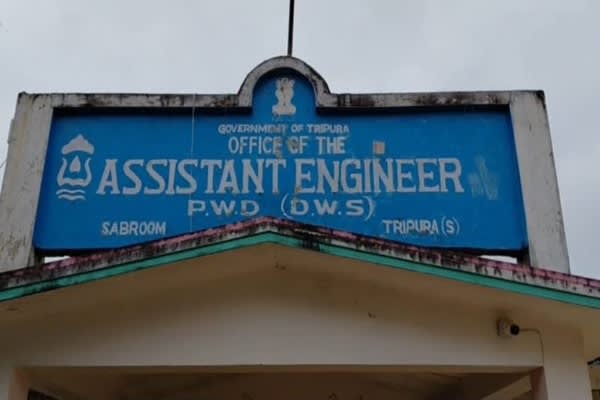
Debabrata Tripura, officer in charge of the Sakram DWS Sub-Division, said the policy currently covers rural areas under Gram Panchayats and ADC villages and does not apply to urban municipal areas.
The Sakram subdivision covers three RD blocks and one TTAADC zonal office. SatcHand RD Block has 39 Gram Panchayats, while Rupaichari RD Block covers 18 ADC villages. Poangbari RD Block comprises four Gram Panchayats and three ADC villages.
Officials expect the new framework to improve accountability and transparency by bringing communities directly into the management of local drinking water facilities.
Debabrata Tripura said increased public participation would help make services faster and more transparent while strengthening rural drinking water supply in the long term.
The policy represents a shift towards decentralised water governance in Tripura, combining community-level responsibility for routine maintenance with continued technical support from the state government for larger infrastructure and complex repairs.