




New Delhi, December 3, 2025: A private explicit video, reportedly 19 minutes and 34 seconds long, has become the center of one of the most toxic social-media storms India has witnessed in recent months. What began as a leaked clip circulating on Instagram Reels and Telegram channels has rapidly morphed into a nationwide trend, with the phrase “19-minute video” flooding comment sections, memes, and search engines.
The footage, allegedly recorded by a young couple, contains intimate content. Within days of surfacing in late November, it triggered a frenzy of link-sharing requests, crude jokes, and the mass misidentification of innocent individuals, particularly female influencers and content creators.
Wave of Online Harassment
Several women have been wrongly labeled as the female participant in the video. One of the most high-profile cases involves a popular creator from Meghalaya who goes by the handle @sweet_zannat on Instagram. Thousands of accounts tagged her in posts and bombarded her comment sections with references to the clip. In response, she posted a video that has now crossed 16 million views, calmly pointing out physical differences and sarcastically thanking trolls for giving her “free publicity.”
Similar incidents have been reported involving college students and lesser-known influencers, with strangers facing relentless trolling, morphed images, and even threats. Many have restricted comments or gone private to escape the abuse.
Misinformation and Fake Suicide Claims
Alongside harassment, false narratives spread quickly. A completely unrelated video depicting a woman’s suicide was circulated with claims that it showed the female in the 19-minute clip taking her own life due to shame. Multiple fact-checking outlets and social media users have confirmed the two incidents have no connection whatsoever.
Posts celebrating the supposed arrest of the male participant—mockingly referred to as “Kaluwa”—have also gone viral, despite the absence of any official police confirmation.
Growing Concerns Over Deepfakes and Consent
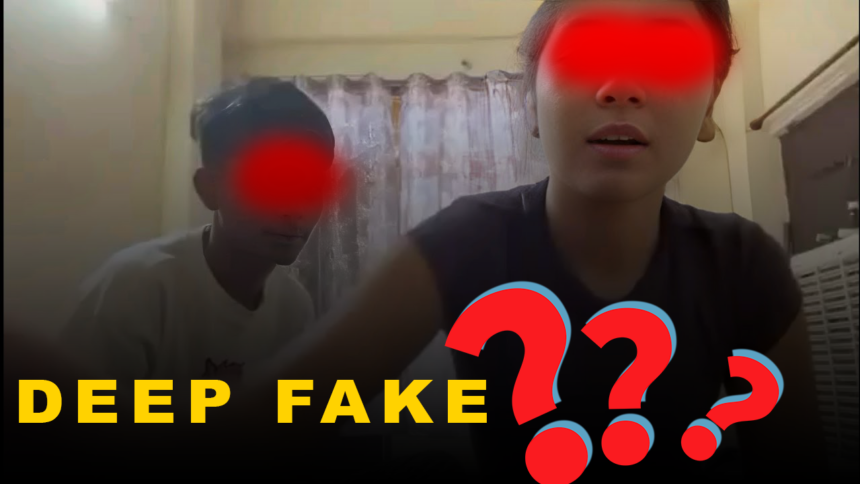
A section of internet users and cybersecurity experts have raised the possibility that parts or all of the video could be AI-generated or heavily edited, echoing global fears about deepfake pornography. Regardless of its authenticity, the non-consensual distribution of private intimate content has reignited calls for stricter enforcement of India’s IT laws and faster takedowns by platforms.
Women’s rights activists and digital safety advocates have condemned the trend as a stark reminder of how quickly online mobs can weaponize private moments to humiliate and endanger individuals, especially women.
Platform Response and Public Backlash

Instagram and Telegram have removed numerous posts and channels hosting the video, but copies continue to resurface under coded filenames and private groups. Many users have criticized the platforms for slow moderation, while others have blamed a section of the audience for fueling the trend through endless demands for “the link.”
Public reaction remains divided: some treat it as dark humor, while others have called it the “most disgusting viral trend of 2025,” highlighting its impact on mental health and privacy.
Authorities have urged citizens not to forward or search for the video, reminding the public that sharing non-consensual intimate imagery is punishable under Section 66E of the IT Act and relevant sections of the Bharatiya Nyaya Sanhita.
As the frenzy shows no immediate signs of dying down, the episode serves as a grim illustration of how a single leaked clip can spiral into widespread harassment, misinformation, and trauma within hours in the age of instant sharing.