



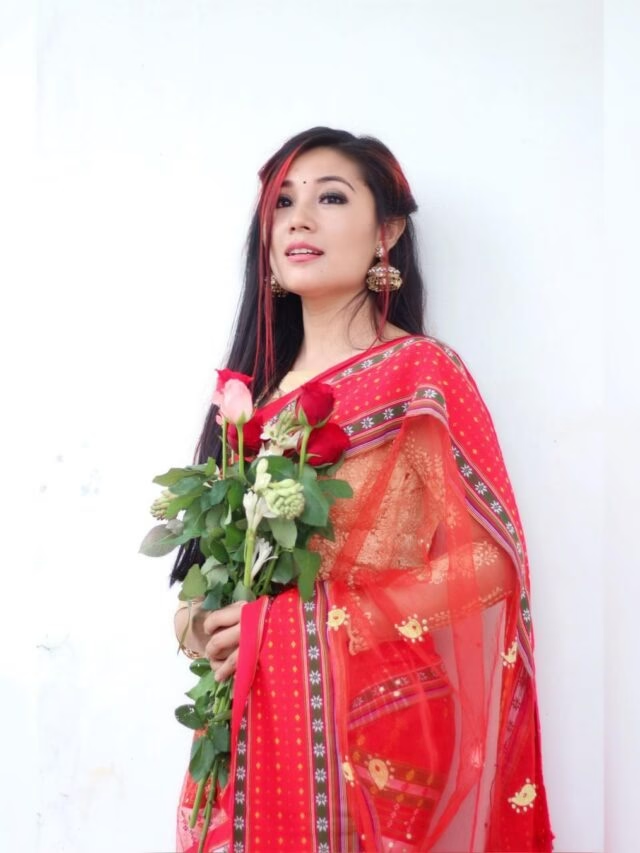


Tripura, August 10, 2026: On National Handloom Day, the traditional Risha of Tripura stands as a remarkable symbol of the state’s indigenous heritage, craftsmanship and cultural identity. More than a handwoven scarf or narrow piece of cloth, the Risha carries within its intricate patterns the stories, traditions and artistic knowledge passed down through generations.
The Risha has long held a special place in the cultural life of Tripura’s indigenous communities. Traditionally woven by women, these handwoven textiles featured distinctive colour combinations and motifs associated with different tribal communities. Inspired largely by the natural world, the designs reflected the landscape surrounding the weavers – waves and ripples of water, branches of trees, bamboo leaves, animals, ferns and flowers.
Motifs such as Anji, Khamjang, Toksa, Jirani, Khumbar and Miyong were among the traditional designs derived from nature and woven into the fabric.
For generations, indigenous women served as the custodians of this weaving tradition. The knowledge of preparing the yarn, creating patterns and operating the traditional loom was passed from mother to daughter. Natural and vegetable dyes, obtained from plants and shrubs growing across the green hills of Tripura, were traditionally used to colour the threads.
There is also a fascinating traditional belief surrounding the origin of weaving. According to oral traditions, the spider was regarded as the first weaver. Indigenous communities observed the spider spinning its web and drew inspiration from its intricate craftsmanship, eventually developing their own art of weaving.
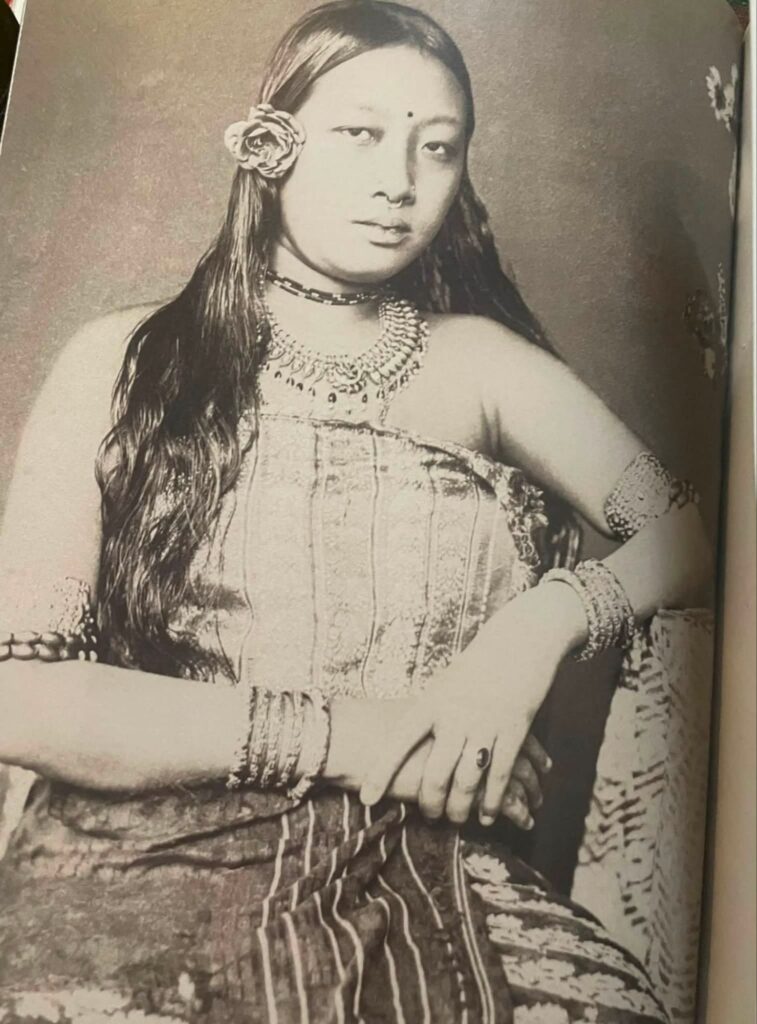
The Risha of the Royal Household
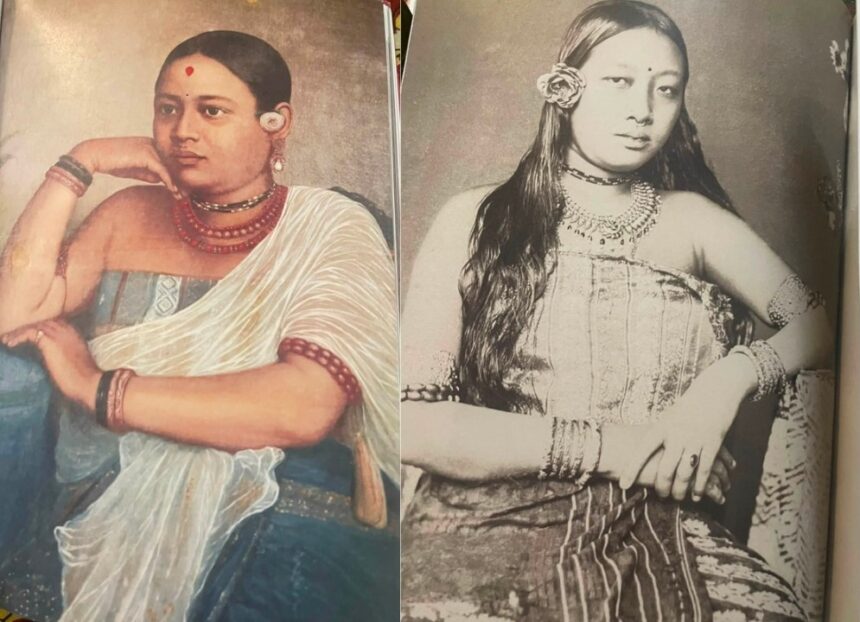
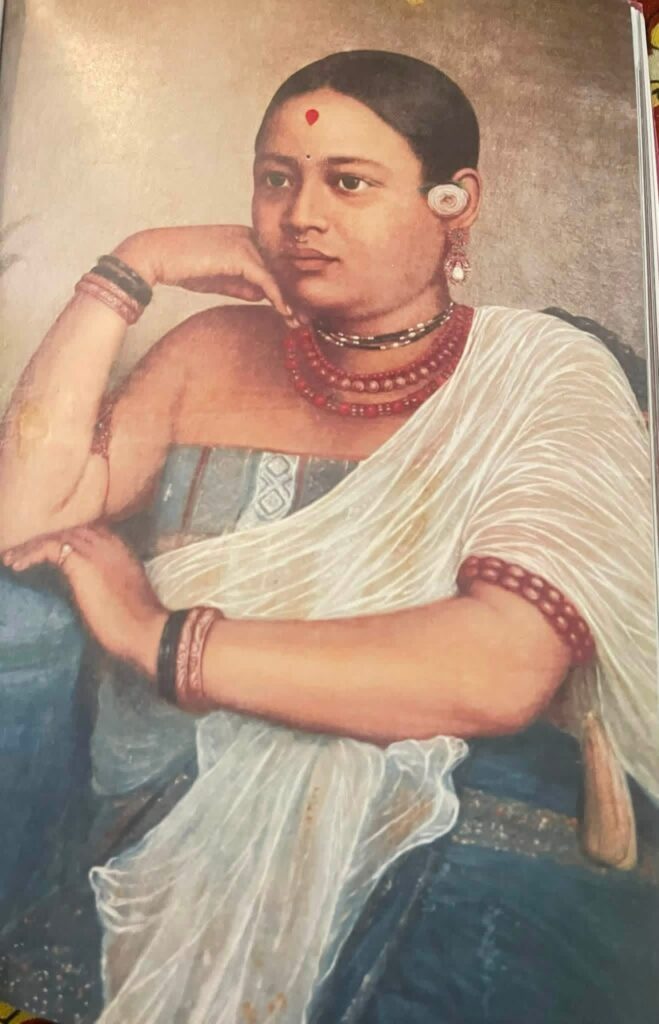
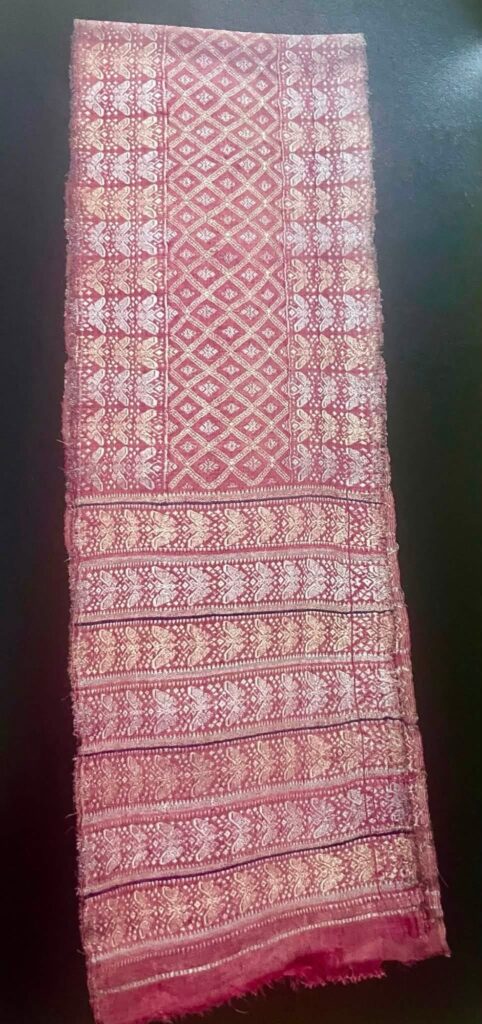
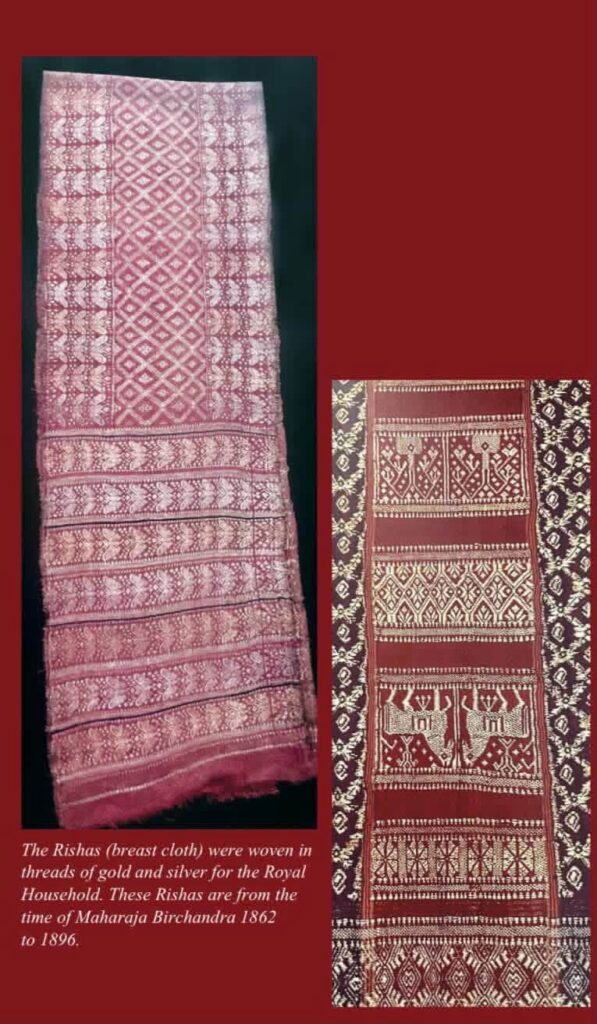
The Risha also had a distinctive place within the royal household of Tripura. Rishas made for the royal family were sometimes woven in silk using fine threads of gold and silver brought from distant lands. Their elaborate craftsmanship and richness of colour were comparable in beauty to the renowned brocades of Varanasi.
Yet the royal Rishas possessed a distinctive identity of their own. Their motifs drew inspiration from the flora and fauna of Tripura, connecting royal craftsmanship with the natural environment and cultural traditions of the region.
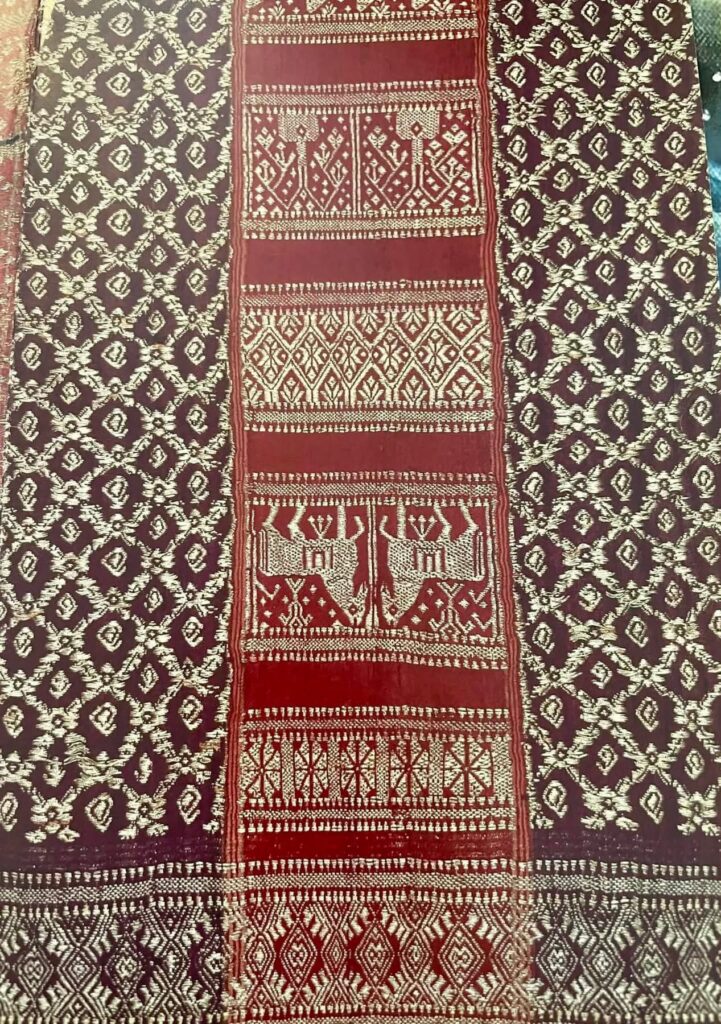
Each branch of the royal family was said to have its own characteristic design. These designs were carefully preserved and passed on to new brides by their mothers-in-law, ensuring that the distinctive patterns survived from one generation to the next.
The extraordinary fineness of the threads required considerable skill. An ivory beater known as “Resambi” was traditionally used in weaving the delicate fabric on a loin loom.
The traditional loin loom itself was remarkably simple. Made primarily from pieces of bamboo, it required the weaver to sit on the floor and work with the threads stretched across the loom. Despite its humble construction, generations of skilled women produced remarkably intricate patterns and finely detailed textiles from this simple apparatus.
A Risha That Travelled to Britain
The historical significance of Tripura’s Risha extends beyond the region.
The textile reportedly found mention in a letter dated 11 March 1783, written by Ralph Leake, who served as the British Resident of Tripura during the reign of Maharani Janhabi Devi.

In his account of a farewell ceremony, Leake described receiving a Risha from the Queen as a token of honour. Moved by the gesture and impressed by the beauty of the textile, he subsequently gifted the Risha to the Art Collection Department of the British Museum in London.
The episode offers a glimpse into the value attached to the Risha centuries ago not merely as clothing or a decorative textile, but as an object capable of conveying respect, honour and cultural meaning.
“To Give a Risha Is to Give From the Heart”
Perhaps the deepest meaning of the Risha is captured in the traditional saying:
“To give a Risha is to give from the heart.”
The saying reflects the profound emotional and cultural significance attached to objects created by hand. For indigenous communities, a handwoven Risha was not simply a material possession. It carried something of the spirit, time and labour of the person who created it.
The act of weaving involved patience, skill and inherited knowledge. The finished textile therefore became a meeting point between the spirit of the weaver and that of the wearer.
This belief gives the Risha a significance far beyond its physical form. Every thread represents craftsmanship; every motif carries a connection to nature; and every pattern preserves a fragment of collective memory.
A Living Heritage of Tripura
Today, as India observes National Handloom Day, the Risha serves as a powerful reminder of Tripura’s rich indigenous textile heritage.
Its importance lies not only in its beauty but also in the knowledge embedded within it the knowledge of natural dyes, traditional motifs, indigenous aesthetics, weaving techniques and cultural practices preserved across generations.
The Risha is therefore not merely a piece of cloth.
It is a fabric in which the history, tradition, identity and cultural memory of Tripura have been woven together one thread at a time.
(This Article courtesy from Jishnu Dev Varma)