





New Delhi, May 20, 2026: What began as a sarcastic online reaction to controversial remarks made during a Supreme Court hearing has now transformed into one of India’s biggest viral youth-led digital movements. The “Cockroach Janta Party” (CJP), a meme-driven satirical collective representing frustrated unemployed youth, has exploded across social media, with its Instagram following reportedly touching 4.9 million followers and continuing to rise every second.
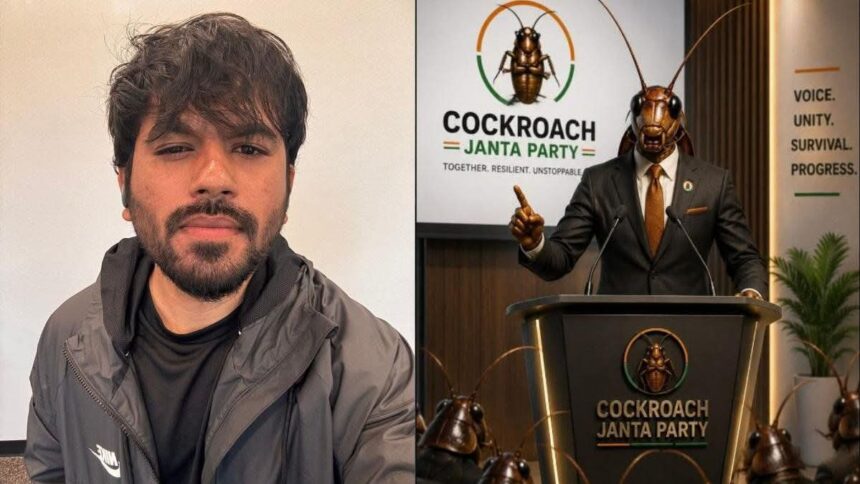
The movement was launched on May 16 by Abhijeet Dipke, a 30-year-old Indian student studying public relations at Boston University and a former social media volunteer with the Aam Aadmi Party (AAP). The idea emerged after Chief Justice of India Justice Surya Kant allegedly compared certain unemployed youths and online activists with fake degrees to “cockroaches” and “parasites” during a Supreme Court hearing. The Chief Justice later clarified that the comments were aimed only at fraudsters and individuals with fake qualifications, not India’s youth in general.
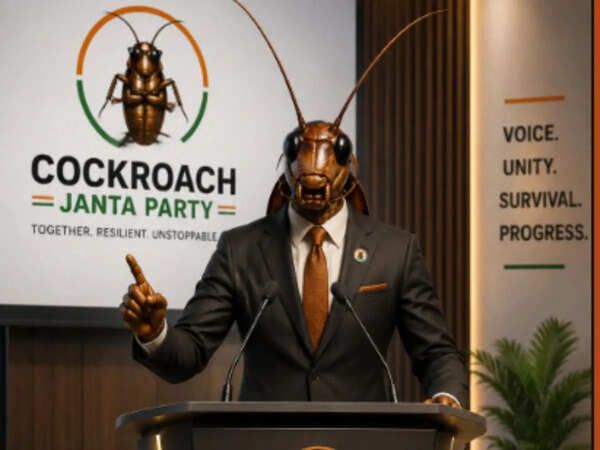
Instead of fading away as another internet controversy, the remark sparked a wave of humour-filled resistance online. Dipke created a simple Google Form inviting people to join the “Cockroach Janta Party,” turning the criticism into a symbol of protest for a generation struggling with unemployment, exam paper leaks, rising competition, and distrust in institutions.
Within days, the movement gained extraordinary traction. Millions of users began sharing memes, reels, jokes, and personal experiences using hashtags linked to the party. Several unofficial state-based fan pages and supporter groups also appeared online, helping the movement spread rapidly among Gen Z audiences across India and abroad.
The party describes itself as “Secular, Socialist, Democratic, Lazy,” blending satire with sharp political commentary. Its online bio humorously states that its headquarters are “wherever the WiFi works” and its funding is “zero rupees, all heart.”
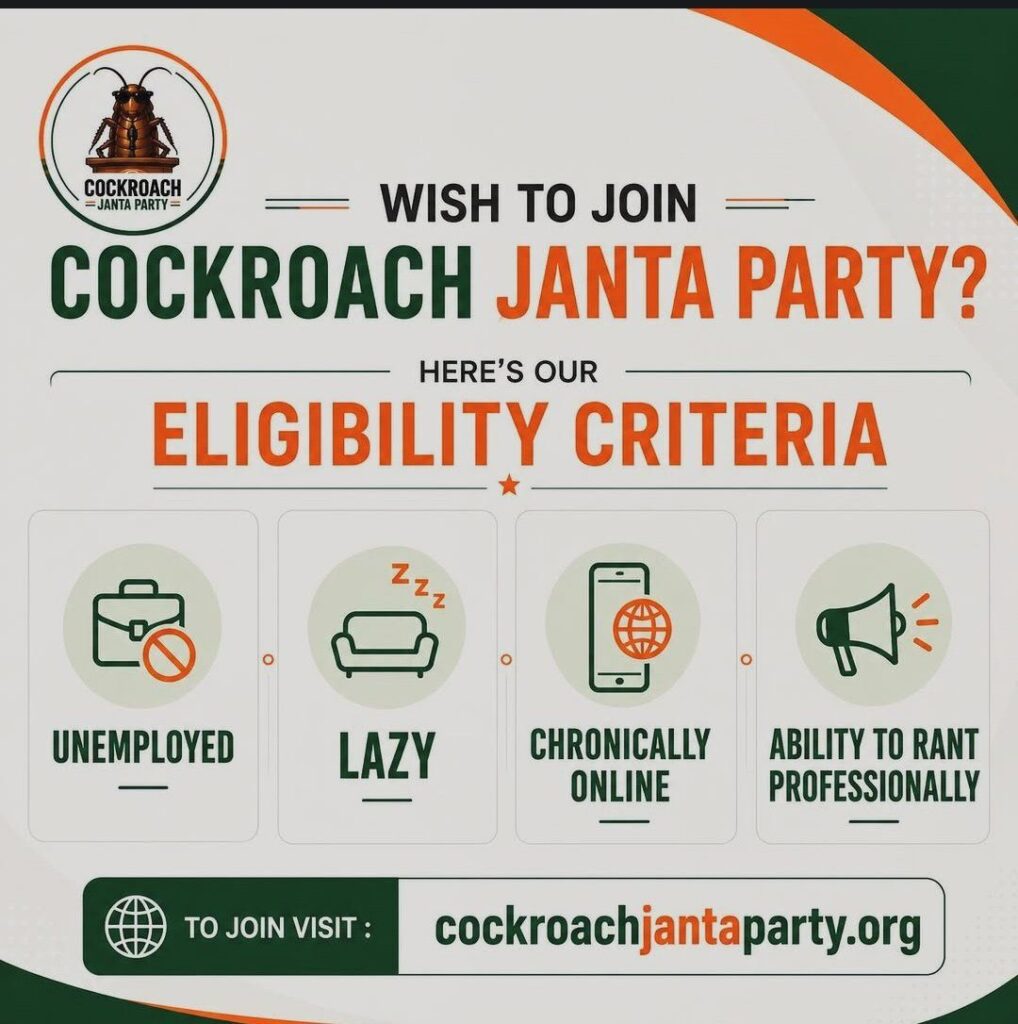
Despite the humorous tone, the movement has highlighted several serious concerns affecting young Indians today. The party’s core agenda includes demands for action against unemployment, reforms in the education system, prevention of exam paper leaks such as NEET and CBSE controversies, greater judicial accountability, environmental protection, and stronger youth representation in politics.
The movement has also attracted attention from political figures online. Trinamool Congress MPs Mahua Moitra and Kirti Azad were playfully “welcomed” into the party through viral social media interactions, further boosting public attention around the campaign.
Speaking to media outlets from the United States, founder Abhijeet Dipke said he never expected the movement to grow at such a massive scale. According to him, what started as a joke has now become a platform where young people are expressing real frustrations through humour and memes. He has also clarified that the initiative is independent and not linked to any political party.
While supporters describe CJP as a refreshing and relatable form of digital protest, critics remain sceptical about whether the movement can survive beyond internet trends or translate into real-world political impact.
For now, the Cockroach Janta Party remains an unofficial online movement rather than a registered political organisation. Yet its explosive growth reflects a changing style of political engagement among India’s digital generation — where memes, satire, and viral culture are becoming powerful tools for expressing public anger and youth aspirations.