




Minister Ratan Lal Nath has strongly condemned what he described as ongoing violence, persecution, and systematic attacks on the Hindu community and cultural heritage in Bangladesh, calling for urgent action by local authorities and the international community.
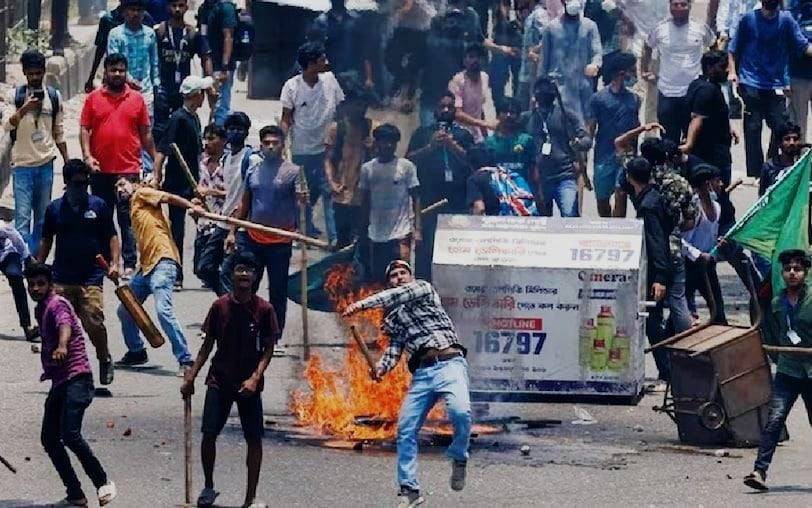
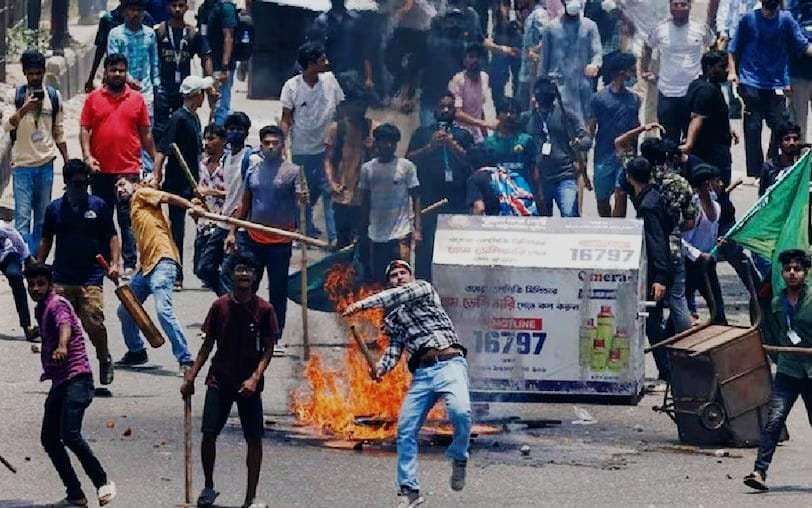
In a forceful statement, Nath said he “unequivocally condemns the genocide of Hindus in Bangladesh and the relentless attacks on our shared cultural heritage.” He alleged that the minority Hindu community in the country is facing “planned violence and brutal atrocities,” warning that the situation reflects a deeply troubling pattern of targeted persecution.
Referring to recent incidents, the minister highlighted the brutal killing of a young Hindu man, Dipu Chandra Das, in Mymensingh. According to Nath, the incident underscores the severe insecurity faced by Hindus living in Bangladesh. “This is not merely an act of violence,” he said, “but an attempt to erase an entire civilization and culture.”
Nath urged the local administration in Bangladesh to respond immediately and effectively to what he described as an extremely sensitive and grave situation. He also appealed to the global community to take serious note of these developments, emphasizing that international attention and intervention are urgently required.
The minister further alleged that centers of Hindu faith in Bangladesh are being repeatedly targeted. He claimed that extremist groups are carrying out planned attacks aimed specifically at religious identity, creating an atmosphere of fear and intimidation among minority communities.
Citing specific examples, Nath expressed deep concern over the reported attack on the historic Dhakeshwari Temple in Dhaka—considered one of the most sacred Hindu temples in Bangladesh—and alleged attempts to encroach upon its land. He described this as a direct assault on the very existence of the Hindu community in the country.
He also referred to the theft of the crown of Goddess Kali from the Jeshoreshwari Kali Temple in Satkhira, one of the 51 revered Shakti Peethas in Hindu tradition. Nath termed the incident a “gross insult to Hindu faith and beliefs.” Additionally, he condemned acts of vandalism and arson at ISKCON temples, stating that places of devotion and service are being deliberately destroyed.
According to Nath, the attacks are not limited to religious institutions alone but extend to the broader Bengali culture and heritage that historically bind India and Bangladesh. He pointed to the reported demolition of Rabindranath Tagore’s ancestral residence, Kachari Bari, in Shahzadpur, calling it an affront to literature and cultural history. He also mentioned the burning of musician Rahul Ananda’s home and the destruction of his invaluable musical instruments as a devastating blow to cultural expression.
“These acts represent a systematic attempt to erase cultural memory and artistic legacy,” Nath said, adding that such violence threatens the pluralistic fabric of the region.
In his concluding remarks, Nath appealed to the international community, asserting that it is a moral responsibility of the world to ensure the safety of religious minorities everywhere. He emphasized that this responsibility extends not only to Hindus but also to Buddhists, Sikhs, Christians, Jains, and Parsis living as minorities in different parts of the world.
He called upon global leaders and international organizations to come together in unified condemnation of these incidents and to take decisive steps to prevent their recurrence. “The world must act collectively,” Nath said, “to ensure the security, dignity, and restoration of rights for all minority communities in Bangladesh.”

The minister stressed that silence or inaction would only embolden further violence, urging the global community to demonstrate its commitment to human rights, religious freedom, and cultural preservation through concrete measures.