




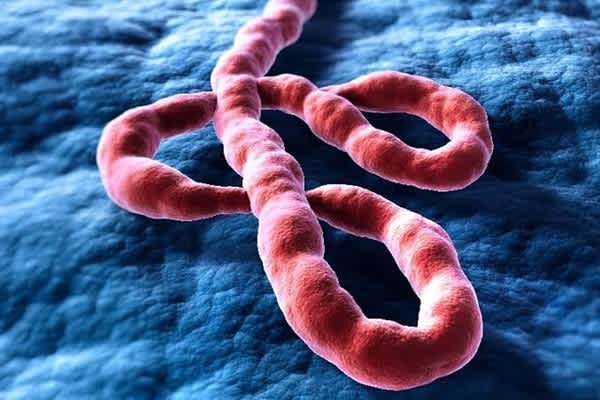
Agartala, Nov 12: Tripura’s Health Department has conducted a mock drill at the state-run GB Hospital here to assess preparedness for handling suspected Ebola cases amid growing global concern over outbreaks of the deadly viral disease in parts of Africa, a senior health official said on Thursday.
The exercise was aimed at evaluating the hospital’s emergency response mechanism, particularly early identification of suspected patients, immediate isolation, infection prevention and control measures, and implementation of appropriate clinical management protocols.
Doctors, nurses, paramedical personnel and staff from various hospital departments participated in the simulation exercise. The programme included practical training on recognising symptoms associated with Ebola, following isolation procedures and adhering to stringent infection prevention and control guidelines.
Hospital authorities also reviewed the readiness of emergency response systems and containment facilities to ensure that suspected patients could be managed without exposing healthcare workers and others to the risk of infection.
Dr Shivabrata Bhattacharjee, Professor and Head of the Department of Microbiology at Agartala Government Medical College (AGMC), said the mock drill was organised to ensure that healthcare personnel remained prepared to respond promptly and effectively to any potential Ebola-related emergency.
He emphasised that early detection, timely medical intervention and effective containment were essential in dealing with highly infectious diseases.
Bhattacharjee said Ebola was associated with a high fatality rate, making advance preparedness, regular training and strict adherence to safety protocols particularly important for healthcare institutions.
He clarified that no Ebola case had been reported in Tripura so far. However, he cautioned that the possibility of an infected traveller entering the state could not be completely ruled out amid increasing international movement of people.
“Although there is no reported case in the state, we cannot afford to lower our guard,” he said, stressing the need for continued vigilance across healthcare facilities.
The microbiologist also referred to reports of Ebola outbreaks in African countries, including the Democratic Republic of the Congo and Uganda, and said the developments warranted precautionary measures.
Health authorities are strengthening surveillance and emergency response mechanisms to ensure that suspected infections are identified and contained at the earliest.
Officials said regular mock drills and training programmes would help familiarise healthcare workers with emergency protocols and improve the state’s capacity to tackle emerging infectious diseases.

The exercise is part of the department’s broader efforts to ensure that hospitals remain adequately equipped and prepared to respond to potential public health emergencies, they added.