


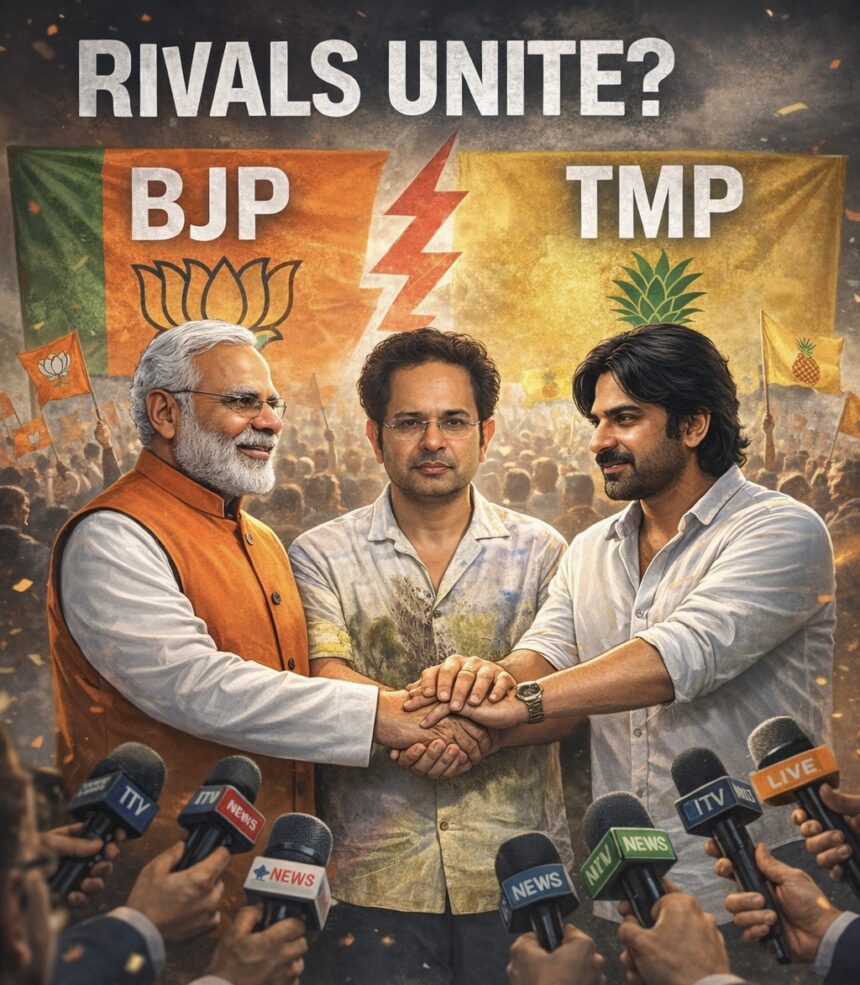
Political Pulse of Tripura: Elections, Alliances, and Grassroots Tensions
As Tripura approaches a crucial electoral phase in 2026, its political landscape is marked by intense competition, shifting alliances, and deep-rooted community debates that are shaping public discourse across the state.
TTAADC Elections: The Main Political Focus
The Tripura Tribal Areas Autonomous District Council (TTAADC) elections, expected to be held by March or April 2026, are now at the forefront of political attention in the state. The council, which oversees governance in tribal majority areas, has become a key battleground for competing narratives and electoral strategies. Chief Minister Dr. ManikSaha of the Bharatiya Janata Party (BJP) has publicly expressed confidence that his party will win all 28 seats in the council polls, highlighting the BJP’s development agenda and outreach efforts among indigenous communities. He has even announced plans for a major rally at Khumulwng, the TTAADC headquarters, to galvanize support ahead of the elections.However, political tensions are rising. BJP and its regional partner Tipra Motha Party (TMP), once aligned within the National Democratic Alliance, are reported to be experiencing strains over leadership roles, policy priorities, and language recognition, particularly relating to Kokborok inclusion and tribal empowerment.
Voices from the Opposition and Civil Society
Leading regional voices have sharply criticized the ruling alliances. Pradyot Kishore Manikya Debbarma, founder of TMP, has recently asserted that political parties should prioritize community over party politics a statement reflecting growing concerns among tribal voters. Meanwhile, Jitendra Chaudhury, a senior leader of the Communist Party of India (Marxist), has accused both the BJP and TMP of failing to fulfill promises on longstanding issues like the Tiprasa Accord and local governance reforms, urging citizens to remain vigilant against authoritarian policies.
Judicial Directions and Electoral Processes
The Supreme Court has intervened in the state’s electoral schedule, directing the Tripura State Election Commission to synchronize village committee polls with the TTAADC elections to restore timely grassroots representation. This move underscores concerns over delays that have hindered local democratic processes.Adding to the electoral urgency, the court has also ordered state authorities to set definitive dates for these local elections, a step seen as crucial by many political observers who argue that decentralised governance is key to tribal empowerment.
National Engagement and Regional Connectivity
Tripura has also drawn attention beyond its borders. Union Home Minister Amit Shah is scheduled to visit the state on February 20, 2026, at a time when alliance dynamics are under scrutiny and political strategies are being recalibrated ahead of upcoming polls.On the international front, Chief Minister Manik Saha welcomed newly elected leadership in neighbouring Bangladesh, calling it “happy news” that could strengthen cross-border ties and regional cooperation in trade and cultural exchange a view shared by many state officials.
With the TTAADC elections looming and grassroots debates intensifying, Tripuras political journey in 2026 is poised to reflect both development aspirations and identity politics. How parties articulate solutions to issues of autonomy, governance delays, and tribal rights could significantly influence the states electoral outcomes and future political alignments
By- Rohan,Political Analyst


AGULI STAFF DESK